Custom Media Center in Farmers Branch TX for Streamlined Entertainment
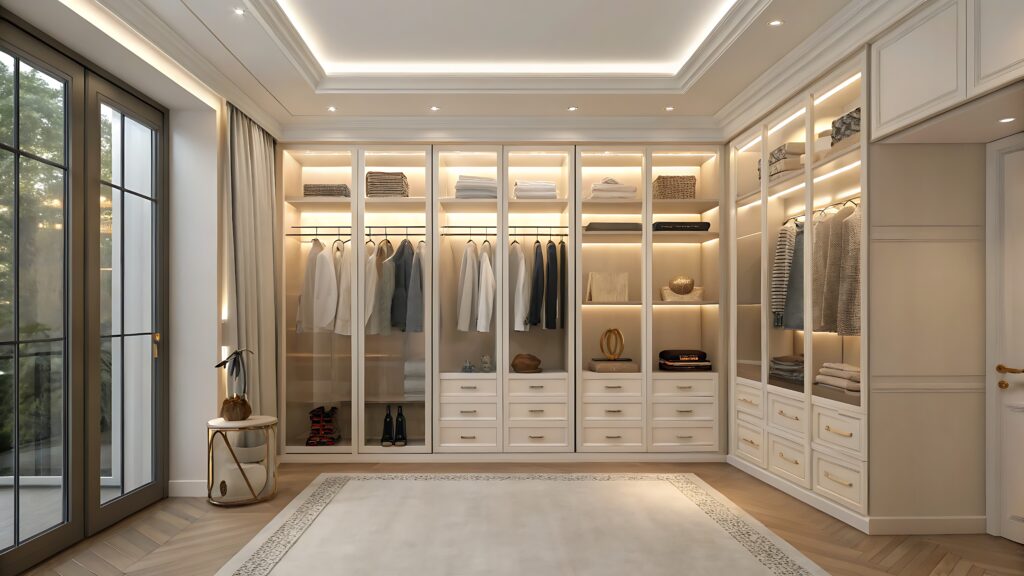
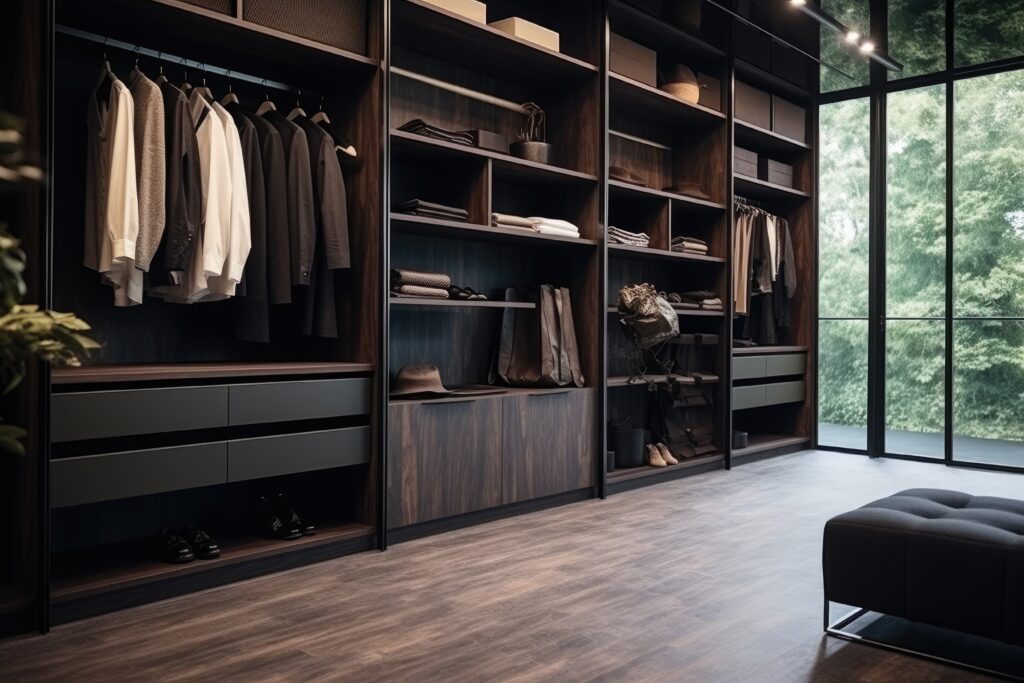

A media center can either make a room feel effortless or make it feel like a pileup of screens, cords, remotes, and mismatched furniture. I have seen both. In homes across North Texas, the difference usually comes down to whether the setup was treated as a real part of the home or as an afterthought. A thoughtfully designed custom media center does more than hold a television. It organizes technology, improves the viewing experience, reduces clutter, and gives the room a clear purpose.
That matters in Farmers Branch TX, where many homeowners want spaces that work hard without looking overdesigned. Family rooms serve multiple roles. One night they host a movie, the next afternoon they handle homework, a playoff game, or visiting relatives. In that kind of space, a generic console often falls short. A custom media center in Farmers Branch TX can be built around the way the room is actually used, not around the dimensions of a flat-packed cabinet.
The best projects balance three goals at once. They need to perform well, fit the architecture of the home, and stay practical for everyday life. When those pieces come together, the room feels calmer. Equipment disappears where it should. Storage becomes easier. Sound works better. Even simple habits, like charging devices or putting away game controllers, become smoother.
What “custom” really changes
People sometimes hear “custom” and assume it just means more expensive woodwork. That is only part of the story. The real value is fit. A stock entertainment unit is built for an average room, an average TV, and average equipment. Most rooms are not average.
In Farmers Branch TX, homes vary widely. Some living rooms have large open walls and tall ceilings. Others have tricky corners, shallow alcoves, or fireplaces that compete with the television wall. Some families want a sleek modern built-in. Others need closed storage because they are tired of seeing cables, routers, and streaming boxes. A true Custom Media Center adapts to those specifics.
That adaptation shows up in practical ways. Shelf depths can be adjusted for actual components, not guessed dimensions. Ventilation can be planned so an AV receiver does not overheat inside a sealed cabinet. Wire management can be routed behind panels instead of draped along baseboards. Speaker placement can be considered before the cabinets are built, which avoids the common mistake of stuffing good equipment into bad positions.
It also changes the visual weight of the room. A wall unit that is too narrow looks temporary. One that is too bulky steals the room. Custom work allows proportional balance. If the television is large, the surrounding cabinetry can anchor it. If the room needs to stay light and open, the design can rely more on lower cabinets, floating shelves, or a combination of painted built-ins and wood accents.
Why Farmers Branch homeowners often outgrow store-bought setups
There is nothing wrong with a standard media console if the room is simple and the needs are minimal. But many homeowners reach a point where the workaround becomes more trouble than the problem it was meant to solve.
A typical scenario looks like this: the TV gets bigger, then a soundbar is added, then a streaming box, then a gaming console, then Wi-Fi equipment that never had a proper home. At first, each addition feels manageable. After a year or two, the room tells a different story. Cords become visible. Devices stack on top of each other. Cabinet doors stay open because equipment runs hot. Remote signals get blocked. The furniture no longer fits the scale of the screen.
In a place like Farmers Branch TX, where entertaining at home is common and open-plan living spaces are popular, those issues become noticeable quickly. The room is not just seen by the household. It is the backdrop for guests, holidays, and regular daily living. A custom media center in Farmers Branch TX solves the accumulation problem by planning for the full system instead of just the TV.
I often advise homeowners to think five years ahead rather than shopping for what works this weekend. The right design leaves room for equipment changes, better speakers, or a new console. That foresight is not flashy, but it is one of the reasons custom projects age better.
The room should lead the design
The strongest media centers start with the room, not the catalog image. That sounds obvious, but many disappointing installations come from trying to copy a photo without accounting for proportions, light, traffic flow, or architecture.
In a narrow room, deep cabinets can make the space feel pinched. In a bright room with large windows, glare matters more than almost anything else, because even an excellent display looks washed out when the wall opposite the screen bounces sunlight back at it. In a room that opens into a kitchen, the media center often needs to look good from multiple angles, not just straight on.
A well-designed layout considers where people sit, how sound carries, and where eyes naturally land when entering the room. It also recognizes that the television wall does not have to do everything. Some rooms benefit from emphasizing storage below the screen and keeping the upper section restrained. Others can handle full-height built-ins that create a focal point and add display space for books, framed photos, or art.
The homes in Farmers Branch TX that wear custom cabinetry best are usually the ones where the media center feels like it belongs to the house. The trim lines match nearby millwork. The paint or stain relates to the flooring and wall color. The cabinet style supports the age of the home instead of fighting it. That kind of restraint often looks more expensive than a design that tries too hard.
Storage is where most media centers succeed or fail
Entertainment technology tends to multiply. That is why storage deserves as much attention as the display itself. When storage is handled well, the whole room feels easier to maintain. When it is ignored, even a beautiful installation starts to look messy within a month.
Closed cabinetry is still one of the best tools for streamlining a space. It hides the practical items that need to be close at hand but not on display, things like remotes, headphones, controllers, charging cables, surge protection, media accessories, and board games. Drawers are especially useful for small items that would otherwise migrate across the room.
Open shelving can work, but it needs discipline. Homeowners often imagine neatly styled shelves and then discover that real life fills them with whatever lands there. In family spaces, I usually prefer a mix: enough open shelf area for decorative balance, enough concealed storage to handle the chaos.
Here are the storage features that tend to earn their keep:
- Ventilated compartments for receivers, game systems, and cable boxes
- Deep drawers for accessories that pile up quickly
- Cord pass-throughs placed exactly where devices will sit
- Adjustable shelving for equipment changes over time
- A dedicated space for modem or router gear, if the room needs it
That list sounds basic, but these details are what separate a polished installation from a decorative shell. If the design does not account for actual equipment, homeowners end up drilling extra holes, cracking cabinet backs, or leaving doors open to cool devices. None of those are signs of a media center doing its job.
Hiding technology without making it hard to use
One of the most common requests in a Custom Media Center project is simple: “I want less stuff showing.” That goal is reasonable, but there is a catch. Technology cannot be hidden so aggressively that it becomes inconvenient.
For example, a subwoofer can be tucked away in some rooms, but forcing it into a cabinet often hurts sound quality. A soundbar needs adequate clearance and should not be blocked by decorative trim. Equipment that relies on infrared remote signals may need open access or repeater systems if it is placed behind closed doors. Gaming systems need airflow. Record players, if the homeowner still uses one, need stable surfaces and room to operate comfortably.
Good design makes those trade-offs intentionally. Mesh inserts, slatted panels, acoustically transparent fabric, or carefully positioned openings can preserve both appearance and function. Some homeowners prefer minimalist push-latch doors with no visible hardware. That can look clean, but it is not always ideal in a house with young children or heavy daily use. In other homes, simple hardware offers better grip and durability.
The same logic applies to cable concealment. Hidden cables are great. Completely inaccessible cables are not. The cleanest setups still allow maintenance without disassembling half the wall. If a streaming box fails or a new HDMI standard comes along, the system should be serviceable. That is one of those practical considerations homeowners appreciate long after the installation crew has left.
Sound matters more than most people expect
A large screen gets attention first, but audio often determines whether a room actually feels cinematic. Poor sound can make even expensive video setups underwhelming. Dialogue gets muddy. Bass becomes uneven. Volume creeps up because voices are hard to hear, then action scenes hit too hard.
A custom media center can improve audio by giving speakers room to work properly. Even when a homeowner is not building a full surround system, placement still matters. Center channels perform best when they are positioned correctly relative to the screen. Soundbars need unobstructed projection. Built-ins should not trap speakers in cavities that color the sound or cause vibration.
In open-plan homes in Farmers Branch TX, there is often a tension between aesthetics and acoustics. Homeowners want a clean wall with no visual clutter, but open spaces absorb and scatter sound differently than enclosed media rooms. Hard flooring, high ceilings, and large glass areas can make rooms lively in a way that hurts clarity. In those cases, the best solution is rarely “add more volume.” It is usually a smarter combination of speaker placement, cabinet design, and soft materials elsewhere in the room.
That is one reason I encourage homeowners to discuss the full entertainment experience early. If the cabinetry is planned before the audio system is chosen, compromises are almost guaranteed. If both are considered together, the result is smoother and usually less expensive than retrofitting later.
Style choices that age well
Trends move quickly in entertainment spaces. A media center should not. The projects that hold up best usually rely on proportion, material quality, and restraint rather than novelty.
Painted built-ins remain popular because they integrate easily with trim and wall colors. White, warm off-white, charcoal, greige, and muted earth tones all have a place depending on the home. Natural wood brings warmth, especially when a room risks feeling too flat or monochromatic. Mixed materials, such as painted cabinetry with wood shelves, can strike a good balance if they are handled consistently.
Floating cabinets are another strong option, especially in more contemporary interiors. They make a room feel lighter and simplify floor cleaning. That said, they need precise installation and careful planning for wire paths. In homes where maximum concealed storage matters, full-depth floor-based cabinetry may still be the better answer.
Fireplaces complicate style decisions. Many families want both a fireplace and a television on the same wall, but that arrangement has real design and comfort implications. Mounting a television too high above a fireplace is still one of the most common mistakes in residential media spaces. Sometimes it is unavoidable. Often it is just accepted too quickly. A custom media center allows alternatives, such as framing the TV on an adjacent wall, using a lower-profile hearth design, or integrating cabinetry in a way that keeps the screen at a more comfortable viewing height.
The budgeting conversation that should happen early
When people search for a custom media center in https://privatebin.net/?b73b65d8ae42ae1b#8qnusNaztwhMQ3q2AftqnpsqGLZ1jDiqhgcZmv89wT6b Farmers Branch TX, pricing is usually one of the first concerns, and reasonably so. Custom work covers a wide range. A straightforward painted built-in with basic storage lands in a different range than a wall-to-wall installation with integrated lighting, stone accents, premium hardware, and hidden AV infrastructure.
What drives price most is not usually one dramatic feature. It is the accumulation of decisions. Material choice, finish quality, cabinet complexity, site conditions, electrical work, AV integration, and installation precision all add up. A home with uneven walls or floors can require more labor than a newly finished room. Matching existing trim profiles can take time. So can designing around HVAC returns, outlets, or structural constraints.
The most useful budgeting discussions start with priorities rather than with guesswork. If the homeowner values concealment, easy maintenance, and a polished architectural look, those goals should anchor the design. If display shelving is less important, that portion can be simplified. If the room may eventually support a better sound system, prewiring and access planning may deserve more budget than decorative flourishes.
I have seen homeowners save money wisely by simplifying door styles, reducing specialty finishes, or limiting upper cabinetry. I have also seen expensive mistakes made when a project was “value engineered” by cutting the functional details that mattered most. Removing ventilation, access panels, or proper cable management almost always comes back to haunt the space.
A few mistakes worth avoiding
Most disappointing media center projects fail in familiar ways. The same issues show up again and again, whether the room is modest or high-end.
The biggest one is poor scale. A media center that is undersized makes a large TV look awkward. One that is oversized can dominate the room and shrink the seating area visually. The fix is not guesswork. It requires measured planning with real furniture dimensions, viewing distances, and wall proportions in mind.
Another frequent problem is overdecorating the TV wall. Too many shelf objects, busy finishes, and competing focal points can make entertainment less enjoyable, not more. The eye needs a place to rest. If the goal is streamlined entertainment, then the cabinetry should support the experience rather than constantly ask for attention.
Heat buildup is another issue that gets underestimated. Receivers, gaming systems, and networking equipment all generate warmth. A sealed cabinet may look tidy on day one and become a troubleshooting headache later. I have seen components fail early simply because no one accounted for airflow.
Finally, there is the temptation to design around current devices only. Technology changes. A smart custom media center does not need to predict every future format, but it should allow enough flexibility for change. Adjustable shelves, removable panels, extra conduit paths, and sensible clearances make an enormous difference.
What a smooth project process usually looks like
The homeowners who are happiest with the final result usually spend more time in the planning stage than they expected. That is not wasted time. It is what prevents revisions and regrets later.
A productive process usually includes a clear site measure, a discussion of equipment needs, finish samples viewed in the room’s actual lighting, and realistic conversation about how the family uses the space. A household that watches movies nightly has different priorities than one that mostly wants a clean living room with occasional sports viewing. A family with teenagers likely needs more durable storage and better controller management than an empty-nest couple designing a formal sitting area with integrated media.
These questions help uncover the right direction:
- What equipment needs to stay visible, and what should disappear?
- How often is the room used for serious viewing versus casual background TV?
- Does the design need to support future speaker or gaming upgrades?
- Are there glare, fireplace, or traffic-flow constraints in the room?
- How much daily storage pressure will the cabinetry actually handle?
Those answers shape everything from cabinet depth to finish durability. They also help determine whether the room needs a dramatic built-in statement or a quieter solution that simply works well.
Why streamlined entertainment is really about daily living
The phrase “streamlined entertainment” sounds polished, but the real payoff is ordinary life. It is the ease of finding the remote in the same drawer every time. It is a toddler not tugging on exposed cables. It is not hearing a cabinet door rattle when bass kicks in. It is a game console that stays cool, a router that has a home, and a room that can host guests without looking like a tech repair bench.
That is why a Custom Media Center tends to deliver more value than people expect. It solves visual clutter, yes, but it also solves friction. It removes the little annoyances that make a room feel busier than it needs to be. For homeowners in Farmers Branch TX, where open living spaces often have to serve several purposes, that kind of thoughtful integration can change how the room is used every day.
A well-designed custom media center in Farmers Branch TX should feel obvious once it is finished. The proportions should look right. The storage should make sense. The technology should work without demanding attention. When that happens, the room stops feeling like a compromise between furniture and electronics. It becomes a unified part of the home, built for the way people actually live, watch, gather, and relax.
Dallas Custom Closets
Address: 2261 Morgan Pkwy Suite 130, Farmers Branch, TX 75234
Phone number: +14698482881
FAQ About Custom Media Center in Farmers Branch TX
How much does a custom entertainment center cost?
A typical custom setup ranges from $1,500 to over $20,000. Floating consoles cost less ($1,500–$4,500), standard built-ins average $4,000–$10,000, and full premium media walls cost $8,000–$20,000+
Do custom media centers add value to a home?
Yes. High-quality built-ins add permanent storage, hide messy wiring, and serve as a premium architectural feature that appeals to future home buyers.
How big should a media center be?
The width of your unit should be at least as wide as your TV, but ideally leaves a few inches of breathing room on both sides. It must also provide enough depth to fit bulky audio receivers or consoles.